Efficient Bed Bug Treatment Techniques: Your Definitive Roadmap to a Pest-Free Home
Proper bed bug control demands a methodical plan. Residents should begin by spotting the indicators of an infestation, like brown-tinted stains and shed skins. Grasping the bed bug life cycle is critical for successful management. While do-it-yourself treatments can offer short-term relief, understanding when to call in trained help remains just as essential. The ideal strategies can produce a pest-free location, but which steps should be emphasized to reach the greatest success?
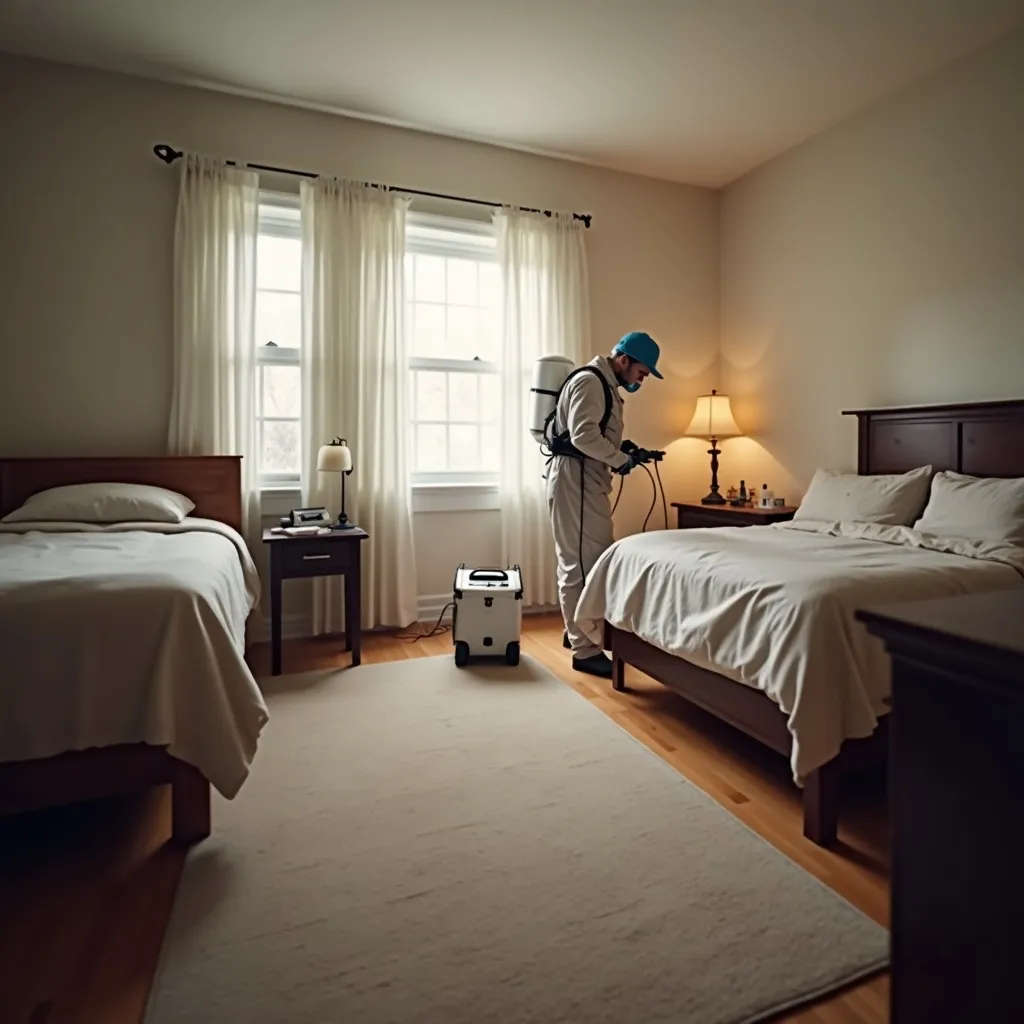
How to Detect Bed Bug Outbreaks: Vital Symptoms to Spot
Recognizing a Cimex lectularius infestation needs close observation of particular signs. One of the most obvious indicators is the presence of small, rust-colored stains on sheets and mattresses, which are often the result of crushed bed bugs. Additionally, tiny, white eggs and shed skins may be found in crevices, signaling an established population. Dark excrement spots left by bed bugs can frequently be seen on bedding, furniture, or walls. A musty smell might also be present in heavily infested areas, pointing to a larger problem. When inspecting, individuals should check seams of mattresses, box springs, and furniture joints where bed bugs typically hide. Another sign of infestation is unexplained skin bites appearing in clusters or lines. Quick detection is necessary for effective treatment, highlighting the need for homeowners to be aware of these signs.
Grasping the Bed Bug Life Cycle: Why It Plays a Role in Treatment
Understanding the bed bug life cycle is crucial for implementing background information successful treatment strategies, as each stage presents distinct challenges. Bed bugs go through five nymphal stages before reaching adulthood, demanding a blood meal at each stage to grow. The entire lifecycle, from egg to adult, can occur in as little as six weeks under ideal conditions. This rapid reproduction means that infestations can intensify quickly if not handled promptly.
Adult bed bugs can endure for many months without eating, hampering elimination attempts. Understanding of this life cycle helps in scheduling interventions effectively, as treatments must target both adults and nymphs. Additionally, understanding how egg clusters can conceal in small gaps highlights the significance of comprehensive checks and extensive treatment approaches. By aligning treatment strategies with the lifecycle of bed bugs, homeowners and extermination specialists can enhance the likelihood of achieving a bug-free home.
Do-It-Yourself Bed Bug Solution Choices: What You Ought to Know
How can homeowners successfully tackle bed bug issues using DIY methods? First, detailed cleaning is important; washing bedding and clothing in hot water and drying on high heat can eliminate many bugs and eggs. Vacuuming furniture, carpets, and crevices helps remove visible pests and debris. Homeowners should dispose of the vacuum bag immediately to prevent re-infestation.
Additionally, applying sealant to seal cracks and crevices can decrease potential hiding spots. DIY solutions, such as a low pan filled with soap mixture, can capture bed bugs as they attempt to cross. Plant-based oils including tea tree or lavender might discourage bed bugs with targeted application, but their potency remains variable.
Ultimately, applying diatomaceous earth in infested areas can aid by dehydrating the bugs. While these techniques can be useful, consistency and thoroughness are crucial to achieving sustained results in addressing bed bug infestations.
When Do You Contact for Professional Help With Bed Bugs?
Despite the success of various DIY methods for controlling bed bug problems, there are situations where professional intervention becomes required. If individuals find that their attempts have not yielded results after multiple weeks, it may suggest a more serious problem that demands professional care. Additionally, if the infestation has spread beyond the bedroom to other areas of the home, such as living rooms or hallways, expert assistance is strongly advised.
Furthermore, individuals dealing with large infestations or who have health concerns—such as allergies or respiratory issues—should consider contacting professional exterminators. Experts have expert understanding and availability of superior solutions that are not available to the typical household owner. Finally, if there are worries about the possibility of secondary infestations during the application period, it is wise to seek expert help to ensure a comprehensive and successful outcome.
How to Evaluate Bed Bug Treatment Products
What aspects should one take into account when evaluating bed bug treatment products? Efficacy is critical; users should select products that have demonstrated success against bed bugs. It is essential to read labels and check for active ingredients known to destroy these pests. Safety is also crucial, especially for households with children or pets. Non-toxic options are recommended. Ease of application also matters; products that are straightforward to use can improve compliance. Additionally, consider the treatment’s longevity and whether it needs multiple applications. Finally, cost should be weighed against the effectiveness and safety of the product. User reviews and professional recommendations can offer valuable insights on the product's performance. By reviewing these criteria, individuals can make educated selections to secure a successful bed bug treatment experience.
Stopping Future Infestations: Best Approaches for Homeowners
Assessing bed bug treatment products is only part of the struggle; halting upcoming invasions is equally important for homeowners. To keep a pest-controlled environment, periodic checks of living spaces are essential. Homeowners should examine for traces of bed bugs, such as shed skins or dark spots, especially around mattresses and furniture.
Deploying protective measures is indispensable. Encasements for mattresses and box spring sets can serve as a defense, while regular vacuuming and steam cleaning can wipe out potential hiding spots. Additionally, homeowners should be cautious when traveling, reviewing luggage and clothing upon return.
Reducing disorganization also minimizes bed bug breeding grounds, making it more practical to recognize and remedy any potential issues. Finally, encouraging dialogue with neighbors can aid in swift identification, as bed bugs can relocate between units in multi-family dwellings. By adopting these best practices, homeowners can greatly reduce the risk of future infestations.
Often Asked Questions
Bed Bugs transmitting Diseases to Humans - Is This Possible?
Bed bugs do not transmit disorders to humans. Their bites can elicit irritation and allergic reactions, but they are not regarded carriers of infectious agents that lead to pathological conditions, making them more a bother than a health threat.
What Length of Time Can Bed Bugs Live Without a Host?
Bed bugs are able to live without a host for around two to six months, subject to environmental conditions. Elements such as temperature and humidity substantially impact their length of survival during this period without eating.
Do Bed Bugs Favor Specific Kinds of Materials?
Bed bugs commonly favor natural fibers such as cotton and wool, which deliver improved shelter spots and insulation. Synthetic materials, while not as desirable, can still house these parasites if situations support establishment.
Do Animals Bring Bed Bugs Inside the House?
Yes, pets can unintentionally transport bed bugs into the home. These nuisances may latch onto fur or be shifted in pet supplies, amplifying the risk of outbreak if proper protective measures aren't taken. Regular inspections are beneficial.
What Solutions Remain Available for Pest-Ridden Clothing?
One should treat infested garments by washing items in hot water and drying out them on high temperature. Items unable to be washed may be enclosed in plastic containers and refrigerated for several days to eliminate bed bugs.